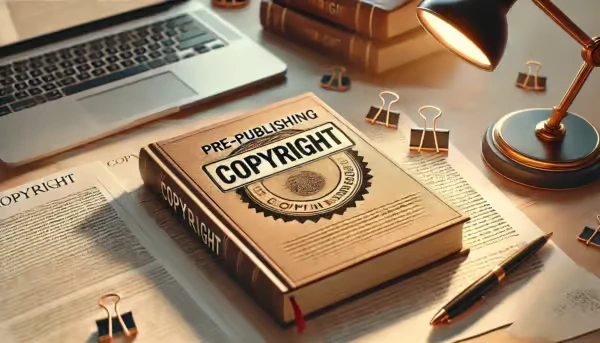
Copyright for Authors in India: How to Protect Your Book Before Publishing
Copyright for Authors in India: How to Protect Your Book Before Publishing
Writing a book requires months or even years of research, creativity, and dedication. Whether you are an academic researcher, professor, professional writer, or first-time author, your manuscript represents valuable intellectual work. Protecting that work before publication is an important step in the publishing journey.
Copyright provides legal protection for authors by recognizing their ownership of original creative works. Understanding copyright helps authors make informed decisions about publishing agreements, manuscript sharing, and protecting their ideas from unauthorized use.
For researchers and academic authors, copyright protection is especially important because books often contain original research findings, explanations, illustrations, case studies, and educational materials developed through years of effort.
This guide explains copyright for authors in India, how it works, why it matters, and what steps writers should consider before publishing a book.
What Is Copyright?
Copyright is a form of intellectual property protection that gives creators certain exclusive rights over their original works. For authors, copyright applies to original literary works such as books, manuscripts, research publications, educational materials, and written content.
Copyright allows authors to control how their work is reproduced, distributed, adapted, and published.
Simply put, copyright protects the expression of your ideas, not the ideas themselves. For example, a unique explanation, written content, illustrations, or research presentation can receive protection, but general concepts or topics cannot be copyrighted.
Why Is Copyright Important for Authors?
Authors invest significant time and effort in creating books. Copyright protection helps ensure that their work is properly recognized and used according to their permissions.
Some important benefits include:
- Protects original written work.
- Establishes ownership rights.
- Prevents unauthorized reproduction.
- Supports legal protection against infringement.
- Provides control over publication and distribution.
- Increases professional credibility.
For academic authors, copyright also helps protect valuable research content and educational resources.
Copyright vs ISBN: Understanding the Difference
Many authors confuse copyright with ISBN because both are associated with book publishing. However, they serve completely different purposes.
An ISBN identifies a published book and helps with cataloging, distribution, and discoverability.
Copyright protects the author's ownership and legal rights over the content.
A professional publication may require both:
- ISBN for identifying the book.
- Copyright protection for protecting intellectual ownership.
Understanding this difference helps authors manage the publishing process more effectively.
What Can Authors Protect Through Copyright?
Copyright protection generally applies to original creative expressions, including:
- Books.
- Research publications.
- Articles.
- Educational materials.
- Illustrations.
- Diagrams.
- Original written content.
For academic authors, this can include original explanations, research presentations, and specially developed educational content.
Copyright Registration Process in India
Copyright protection exists automatically when an original work is created. However, registering copyright provides additional documentation and evidence of ownership.
Authors who choose registration generally provide information such as:
- Details of the author.
- Title of the work.
- Nature of the publication.
- Supporting documents.
- Copies of the manuscript or work.
Professional publishing partners can guide authors regarding copyright-related requirements during the publication process.
When Should Authors Protect Their Work?
Authors should consider copyright protection before widely sharing their complete manuscript.
Important situations where protection is valuable include:
- Before submitting manuscripts to multiple parties.
- Before commercial publication.
- Before sharing educational materials publicly.
- Before distributing research-based content.
Taking preventive steps helps authors maintain control over their intellectual property.
Copyright Considerations for Academic Authors
Academic publishing involves additional considerations because research works often include multiple contributors, references, and existing materials.
Researchers should ensure that:
- Sources are properly cited.
- Permissions are obtained for copyrighted materials.
- Images and figures are legally used.
- Co-authors agree on ownership and publication rights.
Maintaining proper academic practices protects both the author and the integrity of the publication.
Understanding Publishing Agreements
Before publishing a book, authors should carefully review agreements provided by publishers.
Important points to understand include:
- Ownership rights.
- Publishing rights.
- Distribution rights.
- Digital publishing rights.
- Edition rights.
A transparent publishing agreement clearly explains how the book will be produced, distributed, and promoted.
Common Copyright Mistakes Authors Should Avoid
Many first-time authors make mistakes because they are unfamiliar with intellectual property protection.
Common mistakes include:
- Sharing complete manuscripts without proper precautions.
- Using copyrighted images without permission.
- Copying content without citation.
- Not understanding publishing agreements.
- Assuming ISBN provides copyright protection.
Learning about copyright early helps authors avoid unnecessary problems.
How Professional Publishers Support Authors
Professional publishers help authors navigate various aspects of publication, including copyright guidance, manuscript preparation, editing, formatting, ISBN registration, and production.
Global Tech Scientific Press supports researchers and authors by providing structured academic publishing services while helping them understand important publishing requirements. From preparing manuscripts to completing publication, GTSP focuses on maintaining professional standards throughout the publishing journey.
Working with an experienced publishing partner allows authors to focus on their writing while receiving guidance on technical and administrative aspects of publication.
Frequently Asked Questions
Is copyright automatic for authors in India?
Yes. Copyright protection generally begins automatically when an original work is created. Registration provides additional evidence of ownership.
Is ISBN the same as copyright?
No. ISBN identifies a publication, while copyright protects the author's intellectual property rights.
Should authors register copyright before publishing?
Authors may choose to register copyright before or during the publishing process depending on their requirements.
Does copyright protect ideas?
No. Copyright protects the original expression of ideas, such as written content, illustrations, and creative presentation.
Conclusion
Copyright protection is an essential consideration for authors preparing to publish a book in India. It helps protect original work, establishes ownership, and provides confidence throughout the publishing journey. Understanding the difference between copyright, ISBN, and publishing rights allows authors to make better decisions before releasing their work to readers. By combining copyright awareness with professional publishing support from organizations like Global Tech Scientific Press, authors can confidently transform their manuscripts into high-quality publications while protecting their valuable intellectual contributions.